Three days after its New York unveiling, Jaguar’s radical new electric GT is already dividing opinion. But beneath the controversial styling lies a serious piece of engineering — and a huge test of whether Jaguar’s reinvention can succeed.
Love it or hate it, you can’t accuse Jaguar of playing safe.
The new Jaguar Type 01 is the first production car of the brand’s all-electric reinvention, and it makes a pretty clear statement: Jaguar isn’t interested in building another premium EV that blends into the background.
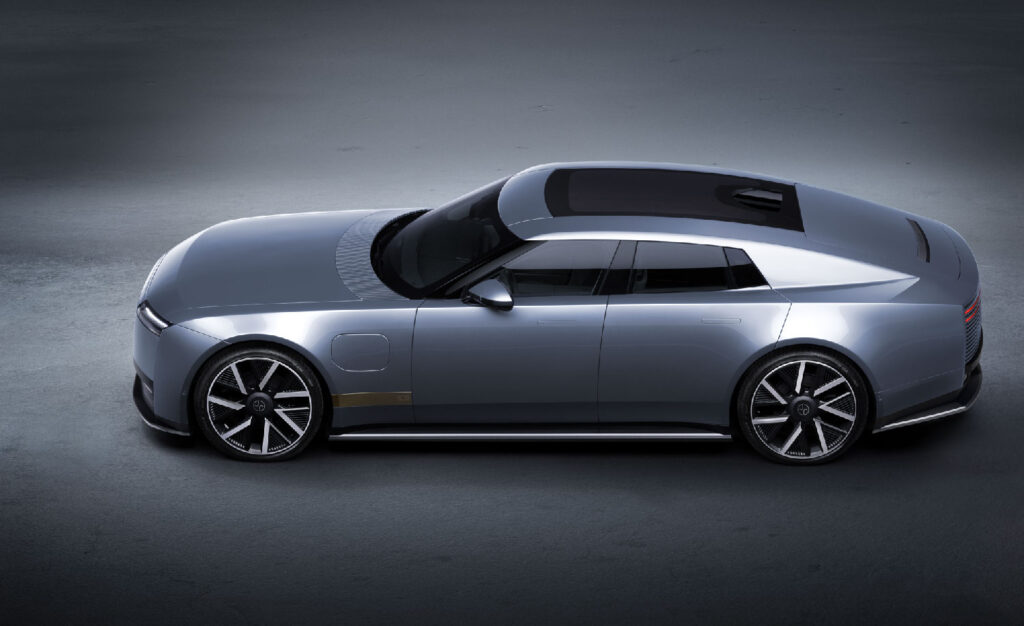
Unveiled in New York on 6 October, the four-door electric grand tourer has a long bonnet, enormous 23-inch wheels, a dramatic rear end and no conventional rear window. It looks nothing like the Jaguars many of us grew up with — and that’s very much the point.
But with prices starting at £130,000, according to Jaguar, this is more than a bold design exercise. It’s a high-stakes attempt to establish a new identity for one of Britain’s most recognisable car brands.
And this time, the product has to do the talking.
More than a controversial design
The Type 01 follows the striking Type 00 concept revealed in 2024, which sparked fierce debate about Jaguar’s new direction. The brand’s advertising and rebranding attracted almost as much attention as the car itself, not all of it positive.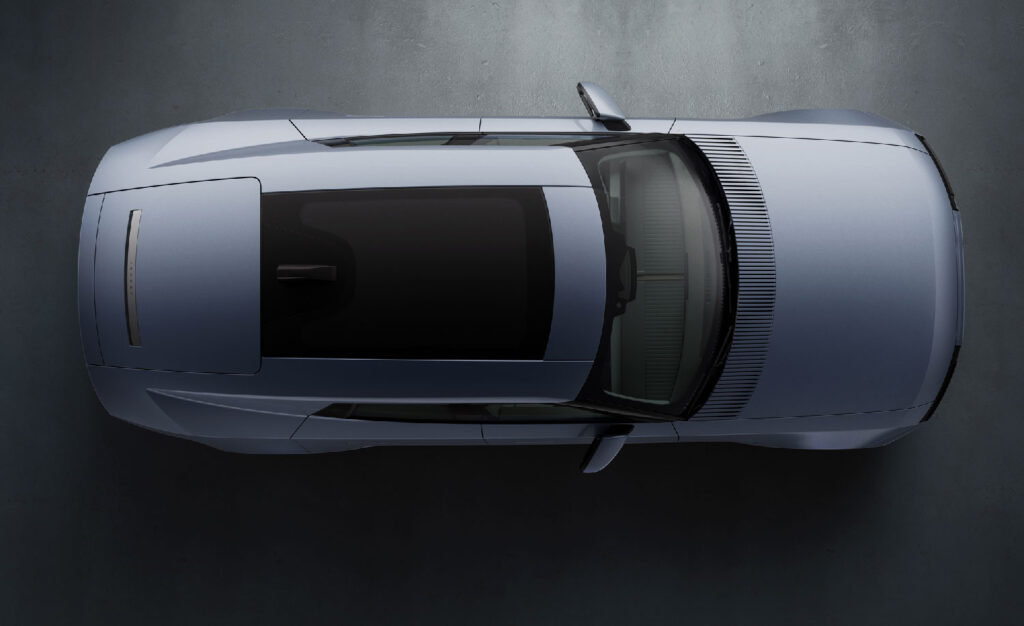
The production car has retained much of that concept’s unconventional character. Its clean surfaces, distinctive horizontal detailing and exceptionally long bonnet are a deliberate break from the increasingly familiar shapes of modern electric cars.
There are echoes of classic Jaguars, particularly the E-Type and XJS, in its proportions. But this is no straightforward exercise in retro design.
Jaguar wants to compete at the top end of the luxury market, where standing out matters as much as performance. Whether the Type 01’s looks will win over potential buyers remains an open question. What’s clear is that the company has committed to a vision rather than trying to please everyone.
The engineering is serious
Look beyond the styling and the Type 01’s specifications make for impressive reading.
Built around Jaguar’s bespoke Electric Architecture (JEA), it uses three electric motors producing 1,015bhp and 1,365Nm of torque. Four-wheel drive helps put that power down, with 0–62mph taking a claimed 3.2 seconds and a top speed of 150mph.
A 118kWh battery is expected to deliver up to 435 miles of range on the WLTP test cycle. Its 850-volt electrical architecture supports DC charging at up to 350kW, with Jaguar claiming that 200 miles of range can be added in around 13 minutes under suitable conditions.
Those figures put the Type 01 firmly in the performance-luxury category. But raw power is only part of the story.
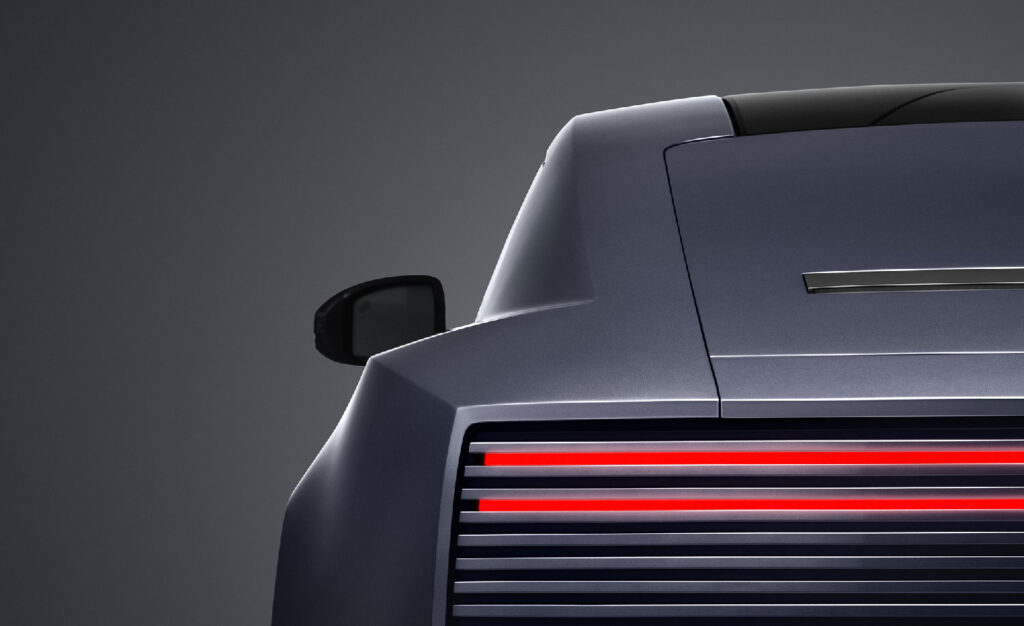
Jaguar says the car has been developed to combine effortless high-speed cruising with the agility expected of a sporting grand tourer. Rear-wheel steering, adaptive suspension and sophisticated torque distribution are all part of the package.
It’s an ambitious brief for a car measuring more than 5.2 metres long and weighing around 2.7 tonnes.
Early driving impressions are encouraging — with a caveat
Auto Express has already driven a pre-production prototype, and its early verdict suggests Jaguar may have got some important things right.
Ride comfort, refinement and high-speed acceleration impressed. The rear-wheel steering also helped make the substantial car feel surprisingly manoeuvrable.
However, the car tested earlier this year was still undergoing software development, and the publication highlighted questions over how effectively its various driving modes and suspension settings worked. A final judgement on its handling will have to wait until a more complete production version can be driven.
That distinction matters. The Type 01 has shown promise, but there’s a difference between an encouraging prototype drive and a finished car that delivers consistently on the road.
A luxury interior that breaks the mould
Inside, Jaguar has continued its unconventional approach.
A prominent central console runs through the cabin, separating the occupants’ spaces, while carefully chosen textures and materials aim to create a more distinctive atmosphere than the screens-and-gloss-black-plastic interiors found in many modern cars.
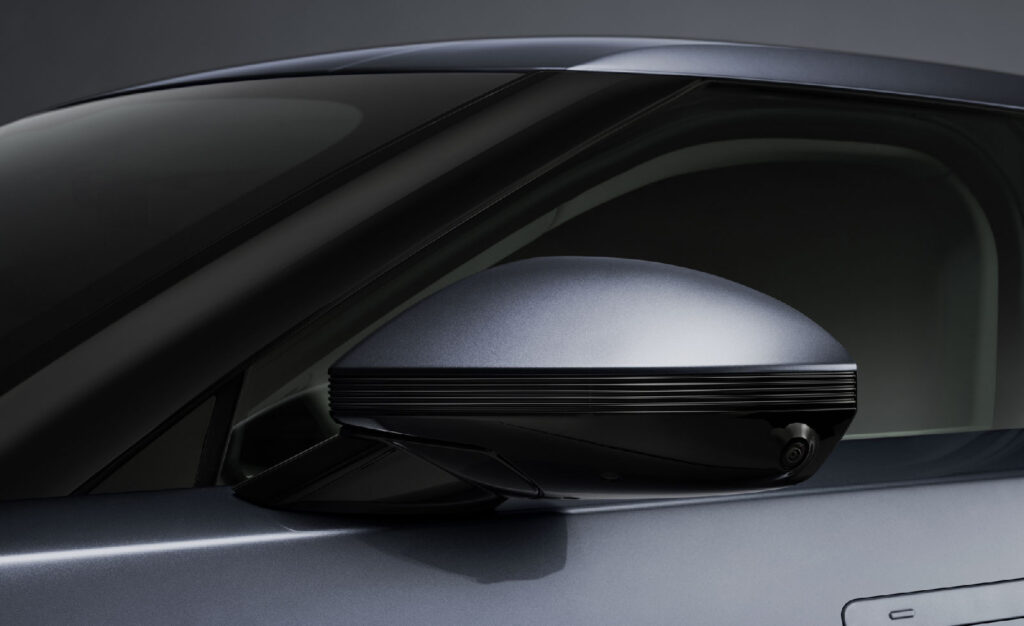
There’s no conventional rear-view mirror or rear window. Instead, a digital rear-view system displays the view behind the car on a screen positioned above the dashboard.
The result is certainly different. But the dramatic design also brings practical compromises: despite its size and four doors, the Type 01 is closer to a 2+2 grand tourer than a spacious executive saloon.
For buyers expecting chauffeur-like rear-seat space, that could be a sticking point. For those who value design and a more intimate cabin, it may be part of the appeal.
The £130,000 question
At £130,000, the Type 01 enters a market where buyers have serious alternatives, including electric performance cars from Porsche and high-end luxury models from established prestige manufacturers.
Jaguar is betting that a combination of distinctive design, British engineering, performance and exclusivity will be enough to attract a new kind of customer.
That’s a significant gamble. The company has effectively abandoned its previous model range to make room for this new, all-electric direction. The Type 01 therefore needs to be more than a good car: it needs to establish the credibility of the entire new Jaguar brand.
Orders are expected to open in early 2027, with customer deliveries anticipated in summer 2027.
Has Jaguar pulled it off?
Three days after the reveal, the Type 01 has certainly achieved one thing: people are talking about Jaguar again.
But attention is not the same as success. The real test will be whether customers are prepared to spend six figures on a car that challenges their expectations of what a Jaguar should look like — and whether the finished product lives up to its considerable engineering promise.
There’s plenty here to be intrigued by. The performance figures are formidable, the dedicated EV platform shows genuine ambition, and the early driving impressions suggest this could be an exceptionally refined long-distance car.
Yet the styling, packaging and price will inevitably narrow its appeal. Jaguar isn’t trying to build an electric car for everyone, and it may not need to.
Our view? The Type 01 deserves to be judged as a car, not simply as the latest chapter in Jaguar’s controversial rebrand. If it delivers the comfort, refinement and driving character promised by its engineers, it could be a compelling new flagship.
If it doesn’t, no amount of attention-grabbing design will save it.
Jaguar has made its statement. Now it needs to prove it can deliver.